







Search Results for: latte blending

Bean Choices for Latte: From Classic Blends to Fruity Blends
The choice of beans for a latte determines the flavor direction of the final drink. From classic rich blends to fruity blends, different bean types each have their own characteristics when used in a latte. Understanding how different beans perform in a latte gives you a richer range of options when selecting beans. Classic rich blends are the traditional choice for a latte. Front Street Coffee's classic blend is made from [more…]

A Complete Guide to Latte Art and Espresso Bean Selection: Crema, Freshness, and Front Street Coffee Blend Recommendations
The charm of a latte lies not only in its rich, mellow taste, but also in the latte art patterns that bloom on its layer of delicate milk foam. To make a latte that delights both the eye and the palate, the choice of coffee beans is crucial: abundant crema, the right roast level, and proper freshness all directly affect the latte art results and the final flavor. This article begins with the origins of latte art, then takes a deep dive into the crema performance of espresso beans, recommends three distinctive beans — Front Street Coffee Commercial Blend, Front Street Coffee Classic Blend, and Front Street Coffee Dark Cocoa Blend — and shares milk pairing, extraction ratios, and bean-resting tips to help you consistently recreate a professional-grade latte at home. [more…]
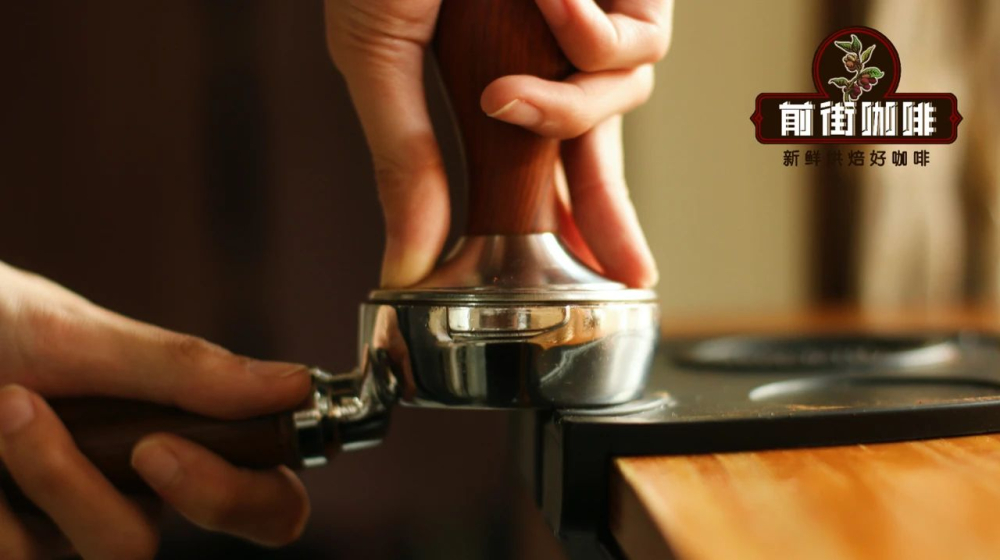
Americano vs Latte | Which tastes more bitter, Americano or Latte? What is the relationship between Americano, Latte, and Espresso?
Before figuring out questions like "the difference between Americano and Latte," "which coffee is less bitter, Americano or Latte," or "which tastes better, Americano black coffee or Latte," Front Street Coffee believes everyone first needs to understand what espresso is. What on earth is espresso? Espresso [more…]

Analysis of Concentration Differences Between Flat White and Latte: A Guide to Choosing Espresso Blend Beans
Which is actually more intense, a flat white or a latte? What differences do the two have in espresso base, milk foam thickness, and cup size? Starting from the serving standards of Front Street Coffee, this article compares the preparation parameters of flat whites and lattes in detail, and further explores what kind of blend beans are suitable for espresso. The article also introduces the flavor characteristics and formula ratios of four espresso beans from Front Street—Sunflower Warm Sun, Specialty Blend, Commercial Blend, and Dark Cocoa Blend—to help coffee lovers choose the right espresso beans according to their personal taste. [more…]

How to Distinguish a Flat White from a Latte? A Guide to Choosing Espresso Beans and Front Street Coffee's Blend Recommendations
Flat White and Latte are often lumped together, but the two have clear differences in espresso base, milk volume, milk foam thickness, and serving temperature. Starting from Front Street Coffee's production standards, this article compares in detail the differences between Flat White and Latte in cup size, ratio, and flavor, and systematically explains the logic of choosing espresso beans—why light roasts are unsuitable for espresso, and why blended beans have become the mainstream. It also introduces the formulas and flavor characteristics of four espresso beans from Front Street Coffee: Sunflower Warm Sun, Specialty Blend, Commercial Blend, and Dark Cocoa Blend, helping coffee lovers find the espresso blend beans that suit their taste. [more…]
Latte Coffee Bean Selection Guide: Espresso Blends and Milk Pairing, Plus Key Points for Making Iced Lattes
Iced latte may seem like just three steps—add ice, pour milk, pour coffee—but making a delicious one requires attention from coffee bean selection to milk pairing. This article focuses on three core aspects: first, choosing the right materials—the espresso blend determines the flavor direction of the latte, and the milk should complement the coffee rather than simply seeking richness; second, properly balancing the milk-to-coffee ratio—Front Street Coffee's classic blend with Vitasoy fresh milk uses a reference of 20g grounds extracted in 25 seconds to yield 40g liquid, paired with 250ml milk and 75g ice; third, paying attention to operational details, including espresso extraction quality and preparation speed. The article also introduces Front Street Coffee's classic blend as a tribute to the Mamba recipe, with added Robusta to enhance the crema, suitable for home latte art. [more…]
Italian-Style Blend Bean Recipe Ideas and the Complete Latte-Making Process: From Bean Selection to Milk Frothing Techniques
Why can an unsweetened latte still taste sweet? What secrets are hidden in Front Street's espresso blend beans? Starting from the formulation logic of espresso blends, this article will break down the flavor characteristics of Front Street Classic Blend and Strawberry Candy Espresso one by one, and explain in detail the trade-offs between pre-roast blending and post-roast blending, how to determine blending ratios, as well as the milk frothing temperature, frothing technique, and coffee-to-milk ratio for lattes. Whether you are a complete beginner or someone who wants to recreate a latte with a wine-scented finish at home, you can find actionable answers in this process. [more…]

Featured Espresso Blend Recommendations | What Espresso Blend Is Best for Milk Coffee? What Are the Requirements for Espresso Beans in Flat White and Latte?
For more specialty coffee knowledge, please follow our WeChat public account: Front Street Coffee (FrontStreet Coffee). Many people fall into the coffee rabbit hole because of beautiful latte art. After all, whenever you successfully recreate an exquisite pattern, the sense of accomplishment is unmatched. So, do you know [more…]

Blended Coffee Bean Recommendations | Which Coffee Beans Are Suitable for Espresso? What Are the Coffee-to-Milk Ratios for Lattes and Flat Whites?
For more specialty coffee knowledge, please follow: Front Street Coffee (Frontsteet Coffee). Coffee enthusiasts who have tried a flat white know that flat white is not served iced—if you add ice cubes, it will most likely become a latte, which means that a flat white is more [more…]
How to distinguish a latte from a cappuccino? From ratios to coffee bean selection, explained clearly in one article
Latte and cappuccino are both Italian milk coffees, yet they often leave people confused. This article starts from definitions, cup size, milk foam form, and the coffee-to-milk ratio to sort out the core differences between the two, and answers the question of what coffee beans should be used to make a latte. The article focuses on introducing several products in the Front Street Italian blend series, including the classic blend suitable for latte art and rich crema, the commercial blend, the specialty blend highlighting nutty and chocolate notes, the basic black cocoa blend, and the strawberry candy espresso Italian blend with abundant sweetness and obvious fruity notes, helping coffee lovers make choices according to flavor preferences and serving needs. [more…]
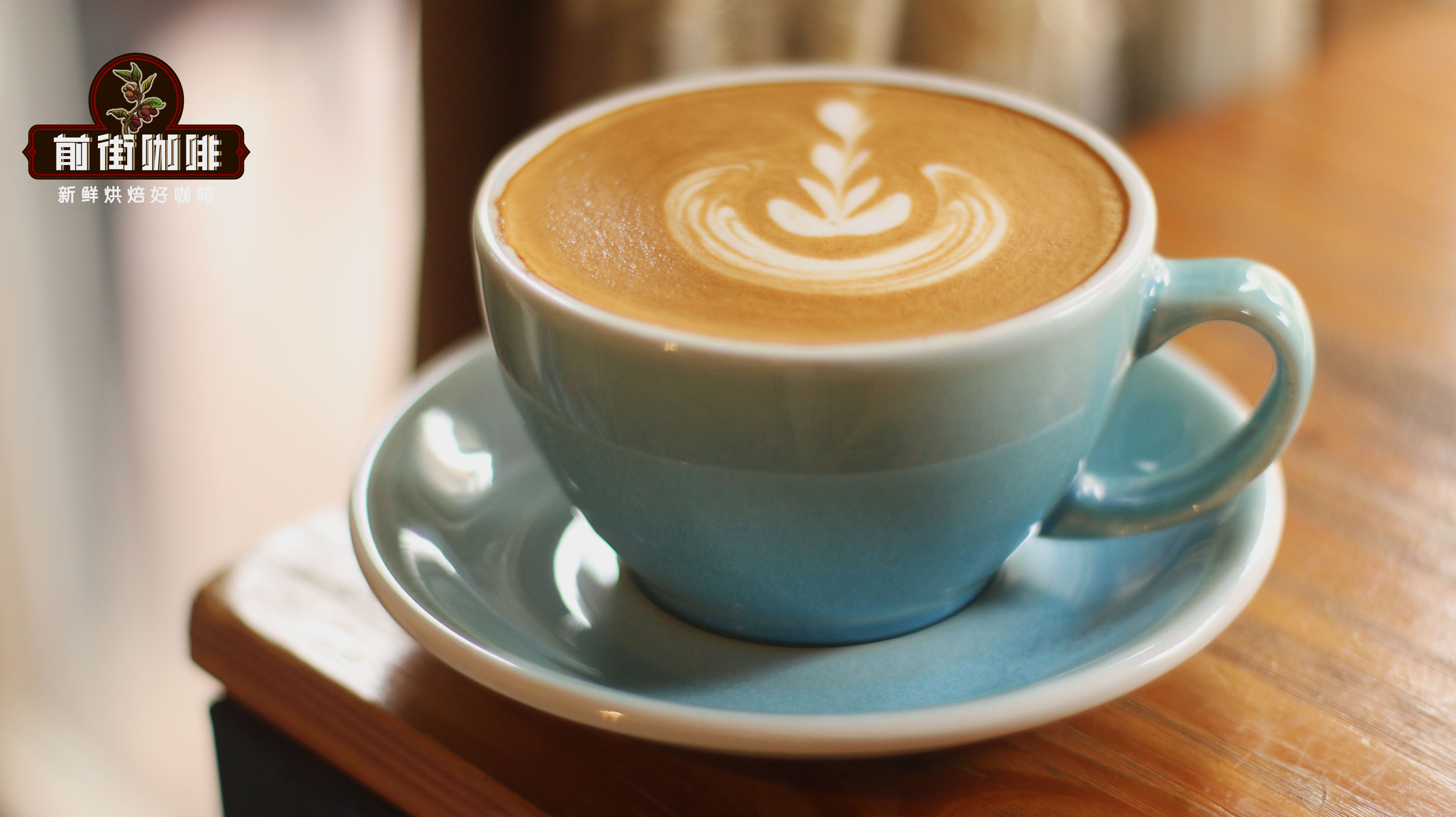
What Is a Latte? A Complete Guide to Espresso, Milk Froth Latte Art, and Bean Selection
Latte is a classic espresso-based fancy coffee made by combining espresso with milk. It has a smooth, sweet entry and is deeply loved by coffee enthusiasts. From the perspective of Front Street Coffee, this article systematically explains the definition and origin of latte, analyzes the key points in selecting coffee beans and milk when making latte, recommends three espresso beans—Front Street Classic Blend, Commercial Blend, and Dark Cocoa Blend—and breaks down step by step the process of extracting hot latte, steaming milk, and pouring latte art, while also including ratio ideas for iced latte. Whether you are a beginner or a home user, you can find practical references here to easily make a cup of latte with full aroma and balanced taste. [more…]
What coffee beans should you choose for a latte? A complete analysis of specialty espresso beans paired with milk, from latte art to crema
Many people fall in love with coffee starting from a latte with beautiful latte art. Latte Art originates from the Italian Caffè Latte; the fusion of milk and espresso is not only about visuals but also affects taste and aroma. To make a delicious and beautiful latte, besides equipment and technique, the choice of coffee beans is especially crucial—rich crema, a moderate roast level, and proper freshness are all indispensable. In response to the needs of milk coffee, Front Street Coffee has launched three espresso blends: Commercial Blend, Classic Blend, and Dark Cocoa Blend, respectively suited for cafés, specialty milk coffee, and everyday consumption scenarios. This article will also share practical experience on milk selection, the ratio of espresso to milk, and bean resting time, to help you consistently recreate a latte with latte art that is complete in color, aroma, and taste at home. [more…]
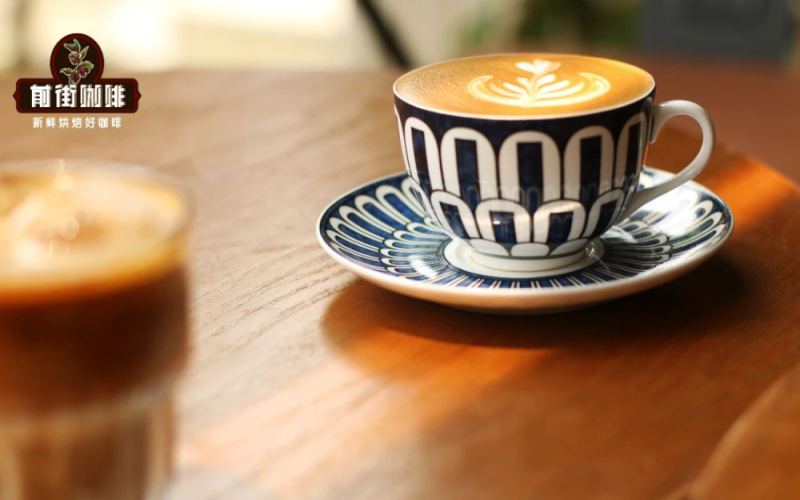
How to Choose Espresso Beans for Latte? A Full Analysis of Front Street Coffee's Four Blends, Roasting Principles, and Hot & Cold Preparation
To make a delicious latte at home or in a café, choosing the right espresso beans is far more particular than you might imagine. Starting from Front Street Coffee's blending philosophy, this article explains why espresso beans are mostly blends, what principles a blend recipe should follow, and introduces the flavor profiles and suitable scenarios of four beans: Front Street Specialty Blend, Strawberry Candy Espresso, Commercial Espresso Blend, and Dark Cocoa Base Blend. It also takes a deeper look at the relationship between roast level, acidity, and milk foam durability, explaining how coffee beans affect the taste and consistency of a latte. Finally, it includes specific approaches to making iced and hot lattes, covering key steps such as espresso extraction, milk steaming, and pouring/latte art, helping you understand the ins and outs of milk coffee more systematically. [more…]

The Origin Story of Latte | Which Tastes Better: Iced Latte or Hot Latte? What Is the Proper Way to Drink a Latte? Which Coffee Beans Are Suitable for Making an Espresso Latte?
Among the many espresso coffee choices, if someone asks which espresso coffee has the highest milk content, Front Street Coffee will definitely answer that it is a latte, and latte is further divided into iced latte and hot latte; their methods are slightly different, but the recipe is the same [more…]
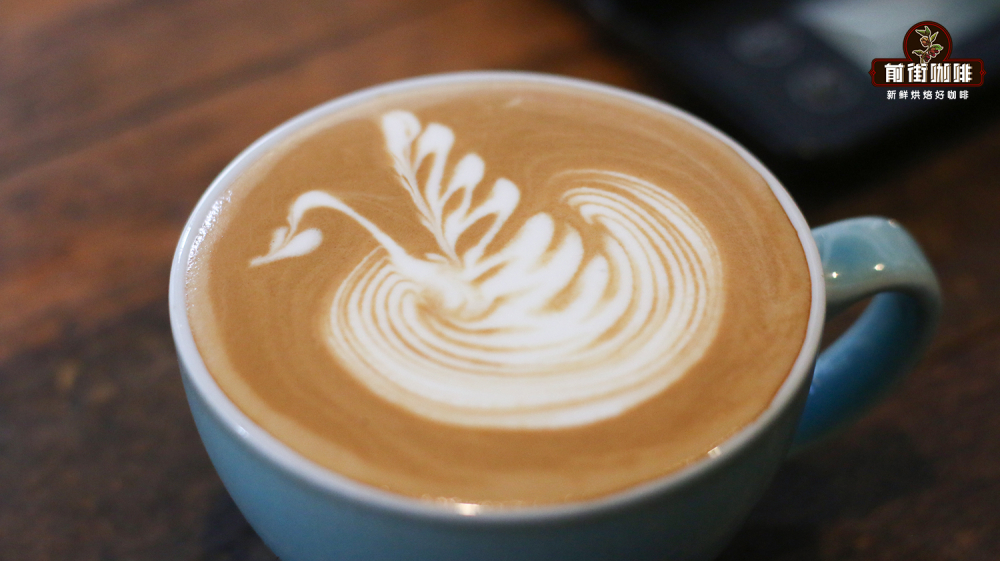
The Ultimate Latte Guide | What's the Correct Coffee-to-Milk Ratio for a Latte? How Can Coffee Beginners Make a Delicious Latte at Home?
For a delicious latte, Front Street believes the most important factors are the quality of the coffee beans and milk, the ratio of coffee to milk, and the extraction and integration process. First point: choose suitable ingredients. Why is a latte so simple? Basically, every coffee bean menu has it as a staple, yet every shop's latte doesn't taste exactly the same. [more…]

The Origin and Meaning of the Latte Name Explained: Espresso with Milk, or a Misnomer for Plain Milk?
What exactly does the term latte refer to? In Italy, Latte is simply hot milk, so why is it that elsewhere, a latte has become an espresso drink with a large amount of milk added? Matcha lattes and red velvet lattes contain no coffee, so why are they also called lattes? This article will trace the origins and evolution of latte coffee from the beginning, clarify the difference between Latte and Caffè latte, and share the key elements for making a good latte—milk selection, espresso ratio, crema, and freshness—while also introducing Front Street Coffee's practical experience with blend beans and shipping freshness. [more…]

Espresso Coffee Latte Caffè latte | Is a latte coffee? Latte coffee flavor, taste, origin, history, preparation method and ratio introduction
For more specialty coffee knowledge, please follow: Front Street Coffee (Frontsteet Coffee) "Latte" is a transliteration of the Italian word "Latte". In Italy, "Latte" simply means hot milk, while latte coffee is called "CoffeeLatte", and is a type of fancy coffee. [more…]
What is the core difference between Americano and Latte? A Complete Breakdown from the Espresso Base to Front Street Coffee's Blend Beans
The difference between Americano and Latte ultimately comes back to the shared base of Espresso. An Americano is espresso diluted with water, while a Latte is espresso blended with milk — the two head in completely different flavor directions. From the perspective of Front Street Coffee, this article first breaks down the extraction logic and tasting approach of Espresso, then explains the key points of making a Latte and milk steaming techniques, and finally systematically introduces the recipe concepts and flavor profiles of Front Street Coffee's four espresso blends — Black Cocoa Blend, Specialty Blend, Commercial Blend, and Warm Sun Blend — helping coffee lovers understand the complete chain of a delicious cup of espresso from beans to cup. [more…]
How to Choose Coffee Beans for Lattes? From Classic Blends to Strawberry Candy, Key Points for Home Espresso Making
Latte originally means milk in Italian, but today it refers to a espresso-based drink made by combining espresso with milk. Whether a latte tastes good depends heavily on the choice of coffee beans and the quality of fresh milk. This article begins with the historical origins of the latte and sorts out the Italian-style coffee beans suitable for different stages—beginners can choose Front Street Classic Blend, for a daily go-to we recommend Front Street Dark Cocoa Blend, and more advanced enthusiasts will appreciate Front Street Strawberry Candy Espresso Blend. It also explains in detail the impact of the resting period on flavor, common ratios of espresso to milk, milk foam temperature control, and the production details of hot and iced lattes, helping home coffee enthusiasts make a rich and smooth latte. [more…]
How to Choose Espresso Beans for Latte Art? A Complete Guide to the Advantages of Dark Roast Beans, Front Street Coffee Blend Recommendations, and Milk Frothing Techniques
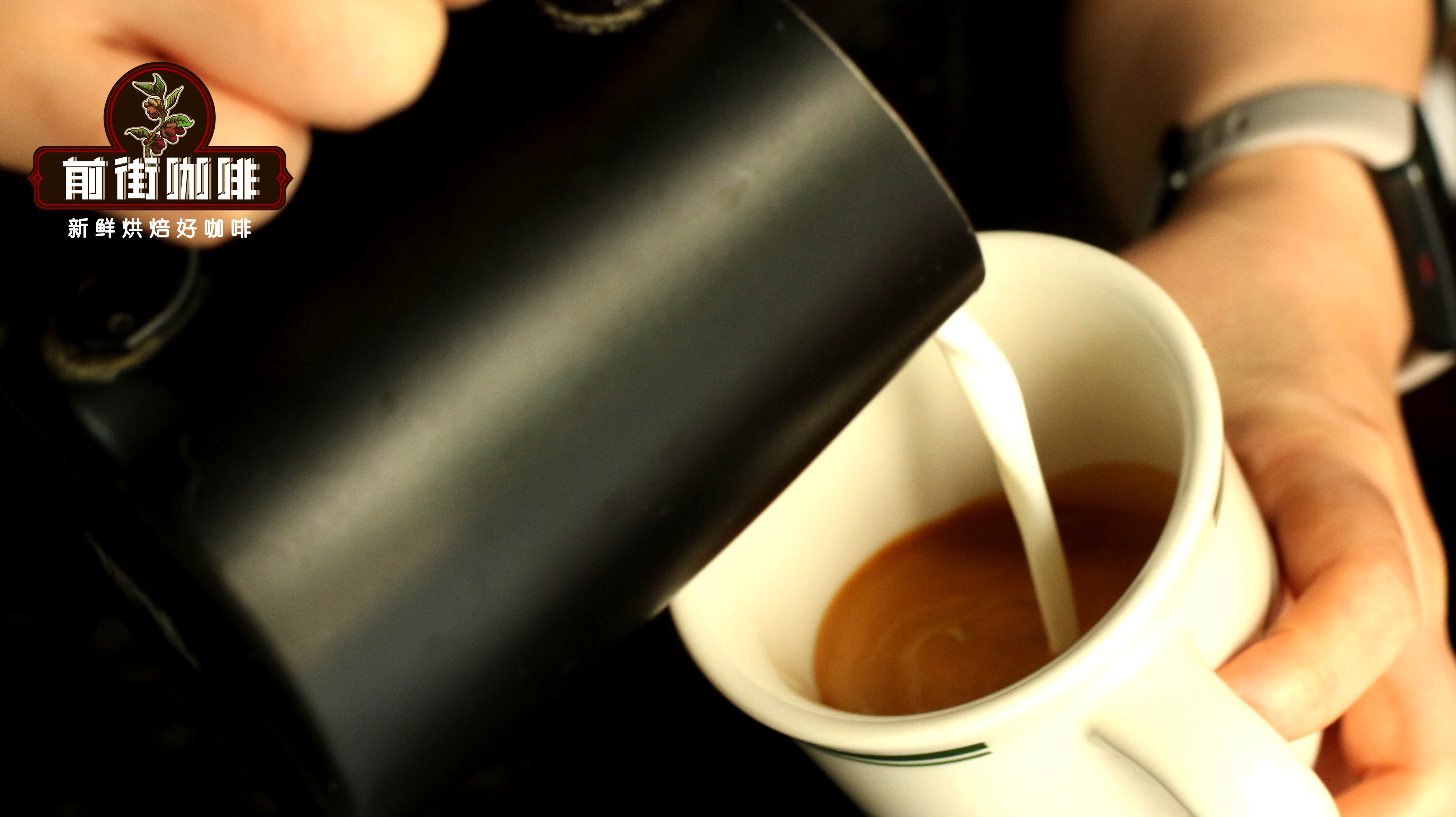
Want to pour beautiful latte art? Choosing the right coffee beans is only the first step. Different espresso blends influence the flavor direction of the coffee base, while the oil content and roast level are the real keys to determining how easy it is to work with when pouring latte art. This article starts with the selection criteria for latte art beans, then discusses the advantages of medium-dark roasted espresso blends in terms of crema and aroma, and recommends several products: Front Street Black Cocoa, Grana Geisha SOE, Classic Blend, and Commercial Blend. After that, it breaks down the two stages of steaming milk—aeration and texturing—explains clearly why the pouring technique matters, and finally provides an efficient practice path from fresh milk to water and then to real-world application, helping you avoid detours. [more…]